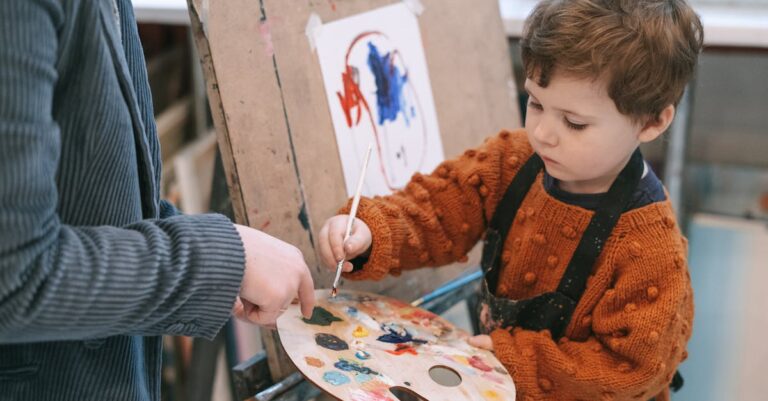
The first day of preschool is a monumental occasion, not just for kids but for parents too. It’s a day filled with excitement, nervous giggles, and maybe a few tears—mostly from the parents, of course. As tiny backpacks bounce with every step, little ones embark on a journey that’ll spark their curiosity and creativity.
Table of Contents
ToggleOverview of the First Day of Preschool
The first day of preschool marks a significant milestone in a child’s development. This day introduces children to a structured learning environment, fostering their curiosity and creativity.
Importance of the First Day
This day establishes the foundation for a child’s educational journey. Success in preschool helps build essential social skills. Children learn to interact with peers, share, and communicate effectively. Exposure to a classroom setting enhances their adaptability to future educational experiences. Parents play a crucial role during this transition, supporting their child’s emotional resilience and confidence.
Common Emotions and Experiences
Excitement often fills the air as children approach their first day. Parents may experience anxiety about their child’s adjustment and social interactions. Many children feel a blend of eagerness and nervousness, especially in a new environment. Some express joy at meeting new friends while others display hesitation or clinginess. Every child navigates this transition in their unique way, creating a tapestry of emotions that enrich the experience for families.
Preparing for the First Day
Preparing for the first day of preschool involves several important steps that help ease the transition for both children and parents.
Choosing the Right Preschool
Selecting the ideal preschool requires careful consideration of various factors. Programs focusing on play-based learning nurture a child’s curiosity effectively. Assessing teacher qualifications influences the quality of education offered. Evaluate class sizes to ensure personal attention for each child. Proximity to home or work matters for daily logistics and convenience. Visit potential preschools to observe their environment and approach to learning. Conversations with staff often reveal their philosophy and methods. Trusting your instincts plays a vital role in finding the right fit for your child.
Essential Supplies and Gear
Gathering essential supplies and gear helps prepare for a smooth start. A sturdy backpack holds personal items like lunch and art supplies. Choose comfortable clothing that facilitates active play and exploration. Labeling items, such as jackets and lunch boxes, prevents mix-ups with peers. Include a reusable water bottle to keep kids hydrated throughout the day. Soft, personal comfort items, like a small stuffed animal, can ease separation anxiety. Familiarizing children with their supplies encourages responsibility and excitement about school. Maintaining an organized checklist simplifies the preparation process.
The Morning Routine
Preparation for the first day of preschool involves establishing a positive morning routine. A structured approach can boost children’s confidence and set the tone for a successful day.
Breakfast Tips for Excitement
A nutritious breakfast fuels the body and mind. Include protein-rich options like eggs or yogurt to support sustained energy. Incorporating colorful fruits can create an appealing plate that excites kids. Letting children help in meal preparation adds an element of fun. Serving fun shapes or using themed plates encourages enthusiasm about eating. Sharing stories about the adventure ahead can spark joy before heading out.
Saying Goodbye
Saying goodbye can be emotional for both children and parents. Establish a brief goodbye ritual that feels comforting and secure. Offering reassurance can ease fears; a simple hug works wonders. Encouragement helps children feel brave as they embark on this new journey. Making the farewell cheerful and light-hearted reduces anxiety. Giving a reminder that they’ll reunite later creates a sense of security.
The Preschool Experience
Preschool serves as a foundation for children’s early education and social development. Activities promote exploration, creativity, and social interaction in a nurturing environment.
Overview of Activities
Children engage in a variety of structured and unstructured activities throughout the day. Art projects, music sessions, and storytelling cultivates creativity and imagination. Outdoor playtime fosters physical development and teamwork. Circle time allows for sharing thoughts and feelings, enhancing communication skills. These daily experiences are designed to meet developmental milestones and create a sense of community among peers. Additionally, scheduled routines provide stability and predictability, which comfort children as they navigate new academic experiences.
Making New Friends
Making new friends forms a crucial part of the preschool experience. Interaction with peers encourages learning about sharing and cooperation. Group activities, such as team games and collaborative art projects, promote bonding. Children learn to resolve conflicts and express emotions through guided play. Building friendships during preschool lays the groundwork for effective social skills, which benefit future interactions. Teachers facilitate these connections by encouraging inclusivity and teamwork, ensuring that every child feels valued and included.
Tips for Parents
Preparing for preschool involves thoughtful strategies that can enhance the experience for both children and parents.
Staying Calm and Supportive
Staying calm during the first day can significantly influence a child’s experience. Emotions radiate from parents to children, so it’s essential to project confidence and positivity. Establishing a reassuring presence helps kids feel secure as they enter this new environment. Keeping the drops brief and upbeat can also alleviate anxiety for young learners. Parents can use simple words of encouragement, like “You’ll make new friends today!” to boost motivation. Supporting children through light conversation about their feelings can normalize apprehension. Engaging in playful activities the night before can elevate excitement levels, making separation less daunting.
Communicating with Teachers
Effective communication with teachers plays a vital role in ensuring a smooth transition. Sharing any concerns about a child’s emotional state helps educators provide tailored support. Arranging a brief meeting in advance allows parents to discuss expectations and understand the classroom environment better. Asking questions about daily routines provides insight into what the child can experience. Teachers appreciate when parents share information about their child’s likes or dislikes. This exchange fosters a collaborative atmosphere that benefits the child’s educational journey. Providing contact information for quick updates ensures that any concerns can be addressed promptly as the school year progresses.
Conclusion
The first day of preschool is a pivotal moment that shapes a child’s educational journey. It’s filled with a blend of excitement and nervousness for both children and parents. By preparing thoughtfully and fostering a positive atmosphere, families can ensure a smoother transition. This day lays the groundwork for essential social skills and a love for learning. Embracing the emotions and experiences of this milestone allows families to cherish these early moments. As children step into their new environment, they not only embark on a path of discovery but also begin to form lasting connections that will enrich their lives.