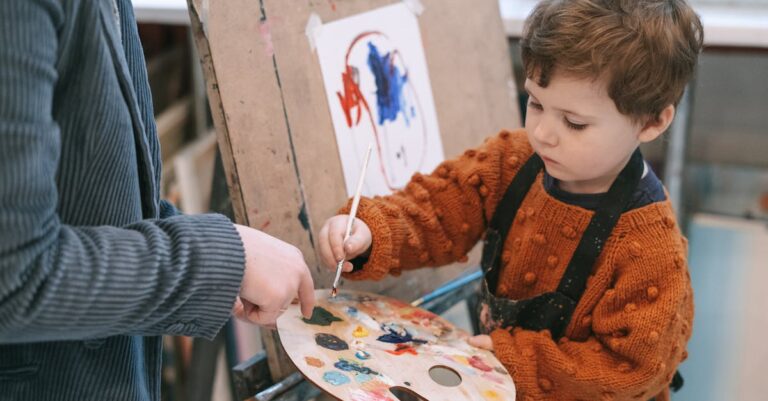
When it comes to preschool, playtime isn’t just fun—it’s essential for development. Preschool games offer more than just giggles and wiggles; they’re gateways to learning crucial skills. From enhancing motor abilities to sparking creativity, these playful activities lay the foundation for lifelong learning.
Table of Contents
ToggleOverview of Preschool Games
Preschool games play a crucial role in shaping a child’s early experiences. These activities provide opportunities for social interaction, enhancing communication skills and building relationships with peers. Various forms of play, such as structured games and imaginative play, stimulate cognitive development, allowing children to explore concepts like numbers, colors, and shapes.
Many preschool games focus on physical skills. Activities like tag or hopscotch encourage the use of large muscle groups, improving coordination and balance. Meanwhile, fine motor skills get exercised through games involving puzzles or manipulation of small objects, which further prepares children for tasks like writing.
Emotional development also benefits from preschool games. Learning to take turns or share fosters empathy and understanding. Games that involve role-playing or storytelling enhance imagination and help children express feelings in a safe environment. Essential life skills emerge during these playful interactions, teaching conflict resolution and teamwork.
Moreover, the educational aspect of preschool games cannot be overlooked. Games that integrate learning objectives provide a fun way to introduce foundational concepts. For example, counting games promote numeracy skills, while shape-sorting activities support geometry understanding.
Integrating various types of games into preschool curricula enhances the overall learning experience. Teachers can utilize both indoor and outdoor settings, ensuring diverse environments cater to different interests. Engaging and varied activities keep children motivated, setting a positive tone for their educational journey.
Types of Preschool Games
Preschool games come in various types, each serving unique developmental purposes. These games foster skills that support children’s growth in engaging ways.
Educational Games
Educational games play a crucial role in early learning experiences. Games that focus on counting and basic mathematics encourage numeracy skills. Language games involving rhymes or vocabulary enhance communication abilities. In addition, science-related activities introduce concepts such as weather and animals, sparking curiosity. Integrating technology, such as educational apps, can also provide interactive learning experiences. Overall, educational games blend fun with learning, making complex concepts accessible and enjoyable.
Creative Games
Creative games allow children to express their imagination and develop artistic skills. Activities like drawing, painting, and crafting promote fine motor skills and creativity. Storytelling games encourage children to create narratives, enhancing their verbal skills and confidence in self-expression. Dramatic play, where children assume roles and act out scenarios, fosters empathy and teamwork. Moreover, music and dance games stimulate rhythm and coordination while allowing for creative exploration. Such games form a foundation for innovative thinking and self-expression.
Physical Games
Physical games emphasize the importance of movement in child development. Activities like tag, relay races, and obstacle courses improve gross motor skills and coordination. These games encourage social interaction, as children learn to collaborate and compete in a friendly manner. Outdoor activities conducted in playgrounds promote health and well-being. Fine motor skills benefit from games involving manipulation of small objects, such as building blocks or throwing beanbags. Physical games develop agility and balance while establishing healthy habits early in life.
Benefits of Preschool Games
Preschool games provide critical benefits for young children, enhancing various aspects of their development. Engaging in different types of play cultivates essential skills that last a lifetime.
Social Skills Development
Social skills flourish during preschool games. Interactions with peers promote sharing and cooperation, teaching children the value of teamwork. Structured games, like relay races, encourage communication as children strategize together. Role-playing activities help them understand different perspectives and foster empathy. During free play, kids learn to navigate disagreements and develop conflict-resolution skills. These experiences create a foundation for positive relationships in the future.
Cognitive Development
Cognitive growth is a key benefit of preschool games. Games designed for counting and sorting introduce foundational math skills without the pressure of traditional learning. Children explore language through storytelling and rhyming games, enhancing vocabulary and comprehension. Creative tasks, such as building blocks, stimulate problem-solving abilities as they figure out how to stack and balance objects. The variety of games promotes curiosity and inspires exploration, setting the stage for lifelong learning.
Emotional Growth
Emotional growth occurs as children engage in play. Games that require taking turns teach patience and the ability to cope with losing, building resilience. Imaginative play allows young ones to express feelings and personal experiences safely and constructively. Activities like drama games foster creativity and self-expression, aiding emotional intelligence development. Furthermore, collaborative games encourage trust and build a sense of community among children, strengthening their emotional well-being.
Tips for Choosing Preschool Games
Selecting the right preschool games enhances children’s developmental experiences. Consider the following factors to make informed choices.
Age Appropriateness
Games should align with children’s developmental stages. Toddlers benefit from simple, sensory-based activities that encourage exploration. Three to five-year-olds thrive on games introducing concepts like colors and numbers. It’s crucial to consider varied skills among children. For example, some may grasp concepts quickly, while others need repetition. Age-appropriate games foster confidence and prevent frustration. When selecting, prioritize those designed specifically for preschoolers to ensure alignment with their growth needs.
Safety Considerations
Safety holds paramount importance during playtime. Inspect games for small parts to avoid choking hazards, particularly for younger children. Opt for materials that are non-toxic and sustainable. Outdoor games should feature safe, even surfaces to reduce injury risk. Supervision might be necessary, especially in dynamic play environments. Look for activity options that encourage safe interactions and teach children about boundaries. Prioritize games that promote both physical engagement and security to create a safe learning atmosphere.
Conclusion
Preschool games play a crucial role in shaping young minds and fostering essential skills. By blending fun with learning these activities support cognitive growth social interaction and emotional development. Caregivers and educators can maximize the benefits of playtime by selecting age-appropriate games that align with children’s developmental needs.
Creating a safe and engaging environment allows children to explore their creativity while building relationships with peers. As preschoolers navigate various types of games they not only learn foundational concepts but also develop important life skills that will serve them well into the future. Embracing the power of play is key to nurturing well-rounded and resilient individuals ready to embark on their educational journeys.