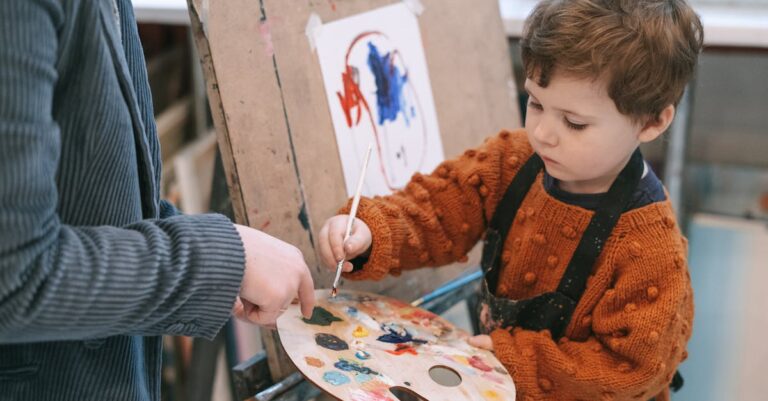
In the whimsical world of preschool, where crayons reign supreme and snack time is a sacred ritual, the right curriculum can make all the difference. Think of it as the secret sauce that transforms curious little minds into budding Einsteins—or at least keeps them from turning the classroom into a chaotic zoo. A well-structured preschool curriculum not only fosters creativity and social skills but also lays the foundation for lifelong learning.
Table of Contents
ToggleOverview of Preschool Curriculum
A preschool curriculum encompasses educational frameworks designed for children ages three to five. These frameworks prioritize comprehensive development across various domains.
Curricular components often include language development, mathematics, science, and the arts. Each area contributes uniquely to a child’s overall growth. Language development activities promote vocabulary expansion and communication skills. Mathematics focuses on basic concepts like counting and shapes. Science encourages inquiry through hands-on experiments, fostering curiosity. Arts and crafts enhance creative expression and fine motor skills.
Play-based learning serves as the cornerstone of effective preschool curricula. It allows children to explore concepts through imaginative play, helping them to socialize and collaborate. Structured routines offer children a sense of security and predictability, essential for building confidence.
Assessment methods vary within preschool curricula. Observational assessments provide insight into children’s progress and areas for improvement. The emphasis remains on individual growth, ensuring each child develops at their own pace.
Parent involvement plays a critical role in the success of preschool programs. Regular communication between educators and parents strengthens the educational partnership, reinforcing learning at home. Workshops and family events create opportunities for parents to engage actively in their child’s education.
Research indicates that high-quality preschool curricula significantly impact long-term academic success. Children exposed to enriched learning environments show improved cognitive skills and social behaviors. Building a strong foundation during these early years is vital for fostering a lifelong love of learning.
Importance of Preschool Curriculum
A well-structured preschool curriculum plays a crucial role in a child’s early development. It focuses on important skills, nurturing growth in various areas.
Cognitive Development
Cognitive development benefits significantly from an effective preschool curriculum. Language activities help enhance communication skills, while mathematics introduces essential concepts. Science exploration encourages inquiry, allowing children to engage in hands-on experiments. Arts foster creativity and self-expression, promoting critical thinking. Research shows that children in rich learning environments develop stronger cognitive abilities. They often demonstrate better problem-solving skills and increased curiosity. Structured experiences stimulate young minds, laying the groundwork for future academic success.
Social Skills Development
Social skills development thrives in an engaging preschool curriculum. Interactive play fosters collaboration among peers, teaching teamwork and empathy. Children learn to negotiate and resolve conflicts during group activities, which supports emotional growth. Routine interactions with both adults and fellow students build a sense of community and belonging. Regular opportunities for socialization enhance communication and interpersonal skills. As children navigate friendships, they gain valuable lessons in respect and cooperation. Ultimately, these foundational social skills are vital for success in later educational settings.
Key Components of an Effective Preschool Curriculum
A well-rounded preschool curriculum consists of several key components that support young children’s development. These elements work together to create meaningful learning experiences.
Play-Based Learning
Play-based learning serves as a cornerstone of effective preschool curricula. Children engage in imaginative activities that allow exploration of new concepts while developing social skills. Through play, children learn to collaborate, communicate, and problem-solve in a natural setting. This method fosters creativity and nurtures curiosity, which are vital for lifelong learning. Integrating play into structured activities helps balance fun with educational objectives, ensuring children remain engaged and motivated.
Language and Literacy
Language and literacy development form another critical component of preschool curricula. Language activities, such as storytelling and rhyming games, enhance communication skills and vocabulary. Engaging children in reading and writing experiences promotes early literacy, laying a strong foundation for future learning. Encouragement of reading aloud and interactive conversations allows children to express their thoughts while developing comprehension skills. Supporting language development in varied contexts ensures that children gain confidence in their communication abilities.
Mathematics and Science
Mathematics and science integration enriches the preschool curriculum and aids cognitive development. Activities such as counting games and simple problem-solving tasks introduce basic math concepts, enhancing numerical understanding. Science exploration through hands-on experiments encourages inquiry and critical thinking. By allowing children to observe, hypothesize, and experiment, the curriculum fosters a sense of wonder about the world. These early experiences in math and science cultivate analytical skills essential for later academic success.
Popular Preschool Curriculum Models
Preschool curriculum models vary significantly, each providing unique approaches to early education. Understanding these options can help parents and educators choose the best fit for children.
Montessori Method
The Montessori Method focuses on child-led learning. Children choose activities that interest them, fostering independence and self-motivation. A prepared environment encourages exploration and hands-on activities, enhancing learning experiences. Teachers serve as guides, observing rather than direct teaching. This approach cultivates skills in problem-solving, critical thinking, and social interaction.
HighScope Curriculum
HighScope Curriculum promotes active participatory learning. It uses a structured daily routine that includes planning, doing, and reviewing activities. Children engage in hands-on experiences that build essential skills across all domains. Teachers facilitate discussions and guide activities, ensuring children reach developmental goals. This model emphasizes the importance of consistent assessment to tailor learning experiences to individual needs.
Reggio Emilia Approach
Reggio Emilia Approach values collaboration and community involvement. It encourages children to express themselves through various mediums, including art, dialogue, and play. Teachers work closely with families, creating a supportive learning environment. Projects and inquiries arise from children’s interests, fostering deep engagement and motivation. This model nurtures critical thinking, creativity, and a sense of agency in learning.
Challenges in Implementing Preschool Curriculum
Implementing a preschool curriculum involves several challenges that educators must navigate. Training educators effectively presents a significant hurdle; many may lack experience in early childhood education. Establishing familiarity with various curriculum models requires continuous professional development. Limited resources and funding further complicate matters, making it difficult for programs to acquire necessary materials and training.
Engaging parents poses another important challenge. Effective communication strategies are vital for fostering meaningful parent involvement. Many parents may not fully understand the curriculum’s goals or the importance of their engagement. Building strong partnerships with families enhances the learning environment, yet it demands ongoing effort and strategy.
Assessing children’s progress adds complexity to curriculum implementation. Utilizing developmentally appropriate assessment methods remains necessary to evaluate individual growth accurately. Observational assessments can be time-consuming and may require additional training, leaving educators with limited time for instruction. Balancing fun play-based learning with structured assessments is essential for achieving developmental goals.
Additionally, maintaining a consistent daily routine in preschool settings can be challenging. Providing stability and predictability benefits children’s emotional well-being, yet unforeseen circumstances might disrupt daily operations. Educators often face the challenge of adapting existing plans to accommodate children’s needs while remaining within curriculum guidelines.
Cultural diversity complicates curriculum planning as well. Each child’s background influences their learning style and experiences; incorporating these differences into the curriculum fosters an inclusive environment. Educators must remain sensitive and adaptable to the unique needs of each child, which requires continuous reflection and adjustment of practices.
The implementation of a preschool curriculum involves addressing training deficiencies, ensuring effective parent engagement, employing appropriate assessment methods, maintaining routine stability, and embracing cultural diversity. Each of these challenges requires thoughtful solutions to create an enriching and supportive learning environment.
Conclusion
A well-structured preschool curriculum is essential for nurturing children’s development during their formative years. By focusing on creativity social skills and foundational knowledge these programs set the stage for a lifelong love of learning. The integration of play-based learning with structured routines fosters an environment where children can thrive.
As parents and educators explore various curriculum models they can better understand the unique benefits each offers. Engaging parents in the learning process further enhances the effectiveness of these programs. Ultimately investing in a high-quality preschool curriculum not only benefits children in their early years but also lays the groundwork for future academic success and social competence.