Mosaic art is like a colorful puzzle that brings walls to life and floors to dance. Imagine transforming ordinary spaces into vibrant masterpieces, where each tiny piece tells a story. From ancient Roman villas to modern cafes, mosaics have a way of captivating hearts and sparking creativity.
What Is Mosaic Art?
Mosaic art represents a unique form of artistic expression that combines small pieces of material to create intricate patterns and images. Artists often utilize materials such as glass, stone, or ceramic to craft these visually stunning designs.
Definition and Overview
Mosaic art consists of assembling numerous small components to form a larger picture. Various materials contribute to its diversity, including tiles, pebbles, and mirror fragments. Artists securely embed these pieces into a surface, which can range from walls to floors. This artistic technique allows for endless creativity, enabling individuals to express thoughts and emotions visually. It captivates viewers with its vivid colors and intricate details, making it a popular choice in both public spaces and private collections.
Historical Significance
Mosaic art dates back to ancient civilizations, showcasing its long-standing importance in cultural heritage. Greeks and Romans employed mosaics in architectural designs, using them to enhance public and private buildings. In the Byzantine era, religious mosaics adorned churches, allowing for storytelling through imagery. Elements of mosaics can also be found in ancient Middle Eastern and Asian art. As centuries progressed, these vibrant pieces evolved, maintaining their relevance in modern design. Today, artists draw inspiration from historic techniques, ensuring mosaic art continues to thrive across cultures and time periods.
Types of Mosaic Art
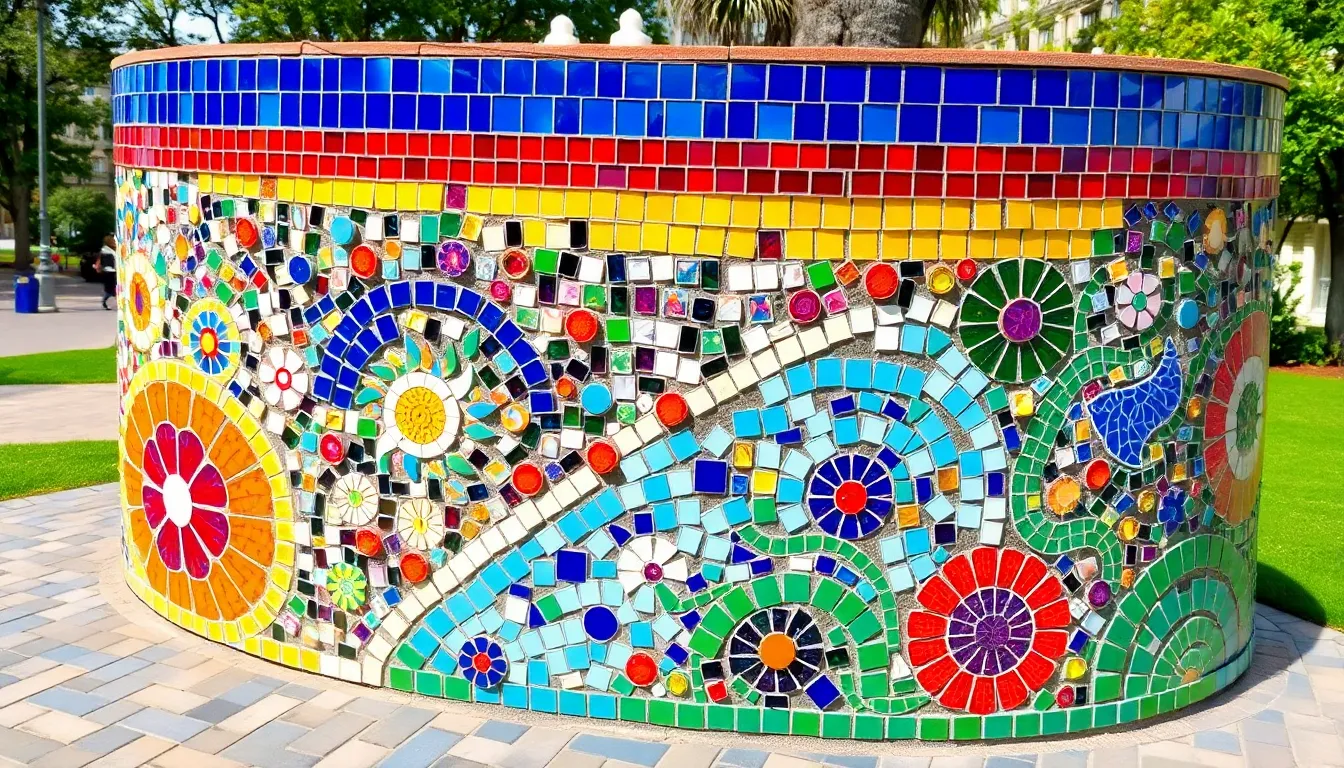
Mosaic art encompasses various styles and techniques. Each type offers unique characteristics and artistic possibilities.
Traditional Mosaic Techniques
Traditional mosaic techniques employ materials like stone, glass, or ceramic. Artists often use small, individual pieces to create larger images or patterns. Tesserae, small tiles cut precisely, provide a tactile quality to the artwork. Ancient cultures utilized these techniques for flooring and wall decoration, with the Romans developing elaborate mosaics in public spaces. In this context, artists emphasized detail and durability, ensuring their works stood the test of time. Craftsmanship and color selection played crucial roles in creating depth and movement within mosaics.
Modern Mosaic Trends
Modern mosaic trends explore innovative materials and approaches. Artists frequently incorporate alternative materials, such as recycled glass or found objects, inviting sustainability into their creations. Digital mosaics, utilizing computer software, allow for precise designs and patterns. Current trends also embrace abstraction, with artists focusing less on representational imagery. Collaborative projects often emerge in public spaces, promoting community involvement and engagement. This evolution reflects broader artistic movements, encouraging fresh interpretations of traditional forms and techniques.
Materials Used in Mosaic Art
Mosaic art employs a diverse range of materials, each contributing to the artwork’s overall aesthetic and texture. Understanding these materials enhances appreciation for the craft.
Common Materials
Stone serves as a traditional choice in mosaic art, prized for its durability and natural beauty. Glass, widely used for its vibrant colors and reflective properties, adds depth to designs. Ceramics, often incorporated, bring a varied texture and versatility, allowing for unique patterns. Artists frequently combine these materials, creating a rich visual tapestry. Each piece, known as tessera, plays a vital role in composing the final image, resulting in intricate artworks.
Unique and Innovative Materials
Recycled glass has gained popularity among contemporary mosaic artists for its eco-friendliness and unique texture. Artists also utilize found objects like china fragments or old tiles, adding character and historical relevance. Resin, with its ability to mimic glass, is becoming a favorite for creating sharp, modern designs. Digital mosaics are on the rise, featuring pixelated images composed of small digital elements. These innovative materials enrich the art form, reflecting both tradition and modern sensibilities.
The Process of Creating Mosaic Art
Creating mosaic art involves careful planning and technique. Artists focus on their vision, ensuring each piece contributes to the overall composition.
Planning and Design
Initial steps in mosaic art involve sketching designs. This practice allows artists to visualize the final piece. Color selection plays a vital role, as different shades can create diverse moods. Artists often consider texture in their designs, using a mix of materials for depth. Selecting high-quality tesserae ensures durability and visual appeal. Sketches also include full-scale layouts, providing a blueprint that guides the assembly process.
Assembly Techniques
Assembly of mosaics occurs in stages. Securing materials onto a base starts the process. Artists often use adhesive to attach tesserae firmly. Working from the center outward helps maintain alignment and proportion. Different methods used include direct and indirect techniques, offering various visual effects. Careful grouting completes the artwork, filling spaces and enhancing durability. Following these methods allows for intricate designs and striking final results.
The Importance of Mosaic Art Today
Mosaic art remains vital in contemporary society, serving as a bridge between the past and present.
Cultural Impact
Mosaic art enriches cultural narratives, reflecting historical narratives and societal values. Artists infuse local identity and heritage into their creations, celebrating community stories. Through public installations, mosaic art fosters dialogue among diverse groups, enhancing social cohesion. Architectural mosaics in urban environments transform ordinary spaces into cultural landmarks, inspiring local pride. Each piece acts as a visual chronicle, preserving traditions while embracing innovation. The accessibility of mosaic art in public spaces further democratizes art, inviting everyone to engage with artistic expressions.
Mosaic Art in Contemporary Settings
Mosaic art thrives in modern environments, bringing vibrant aesthetics to various settings. Public spaces increasingly feature large-scale mosaics that capture the attention of passersby. Restaurants and cafes utilize murals to create inviting atmospheres, enhancing customer experiences. Artists experiment with unconventional materials, pushing boundaries to integrate technology in their work. Digital mosaics showcase intricate designs, reflecting contemporary themes in art. From residential decor to urban hotspots, mosaic art showcases versatility and adaptability, making it a relevant choice in today’s design landscape.
Conclusion
Mosaic art stands as a testament to creativity and cultural expression. Its ability to blend history with modern techniques enriches both personal and public spaces. Each piece tells a story reflecting the artist’s vision while inviting viewers to engage with the artwork on a deeper level.
As this art form evolves, it continues to inspire and connect communities, transforming ordinary settings into extraordinary experiences. The fusion of traditional craftsmanship with innovative materials ensures that mosaic art remains a vibrant and relevant medium in today’s world. Whether in homes or public installations, its enduring appeal captivates hearts and minds alike.