In the bustling world of education, classroom toys often get overshadowed by textbooks and lesson plans. Yet, these delightful distractions can be the secret sauce to a dynamic learning environment. Imagine a classroom where students aren’t just sitting at desks but are actively engaged, laughing, and learning through play. Sounds like a dream, right?
Classroom toys aren’t just for recess; they serve as powerful tools that spark creativity and foster collaboration. From building blocks that challenge young minds to interactive games that make math feel like a breeze, these toys transform mundane lessons into unforgettable adventures. So, why not sprinkle a little fun into the curriculum? After all, who said learning can’t be a blast?
Table of Contents
ToggleOverview of Classroom Toys
Classroom toys play a vital role in fostering a vibrant learning atmosphere. Engaging with toys, children experience interactive learning. These tools, such as building blocks, enhance motor skills and creativity. Interactive games encourage collaboration, making teamwork a fundamental aspect of learning.
Using toys in lessons cultivates curiosity among students. They thrive through exploration and experimentation, setting a precedent for hands-on learning. Tools like puzzles improve problem-solving skills, while art supplies promote self-expression.
Teachers often notice increased participation when toys become part of the lesson plan. They help break down complex concepts into manageable, fun experiences. Studies have shown that students retain information better when engaged with playful activities.
Incorporating classroom toys offers various benefits, including improved focus and reduced anxiety. Comfortable environments allow children to embrace challenges without fear. Peer interaction, instigated by shared toys, builds strong social skills among students.
Classroom toys also align with educational frameworks that prioritize experiential learning. Play-based approaches facilitate deeper understanding of subjects while enhancing overall educational outcomes. By making learning enjoyable, educators promote a lifelong love for knowledge, ensuring children remain eager to learn.
Fostering community through toys helps build relationships that extend beyond classroom walls. Children learn important life skills such as sharing and empathy during playtime. Strategies that integrate toys into education enrich the overall teaching experience, yielding significant gains in student development.
Types of Classroom Toys
Classroom toys come in various forms, each contributing to a dynamic learning environment. By categorizing these toys, educators find suitable tools to enhance student engagement.
Educational Toys
Educational toys support specific learning objectives and promote skill development. Examples include counting blocks and alphabet puzzles, which strengthen literacy and numeracy. These toys engage students actively, transforming traditional lessons into interactive experiences. Teachers often observe that concepts become clearer when students manipulate tangible objects. Moreover, using educational toys encourages critical thinking, helping children make connections between theoretical knowledge and real-world applications.
Sensory Toys
Sensory toys cater to children’s diverse learning needs by engaging their senses. Textured balls, fidget spinners, and sensory bins stimulate tactile exploration, enhancing focus and reducing anxiety. Using sensory toys can be particularly beneficial for students with sensory processing disorders, as these tools create calming experiences. When children engage with these toys, they develop fine motor skills while learning to express emotions and handle frustration. Additionally, incorporating sensory toys fosters inclusivity and supports varied learning styles, creating a holistic classroom atmosphere.
Creative Toys
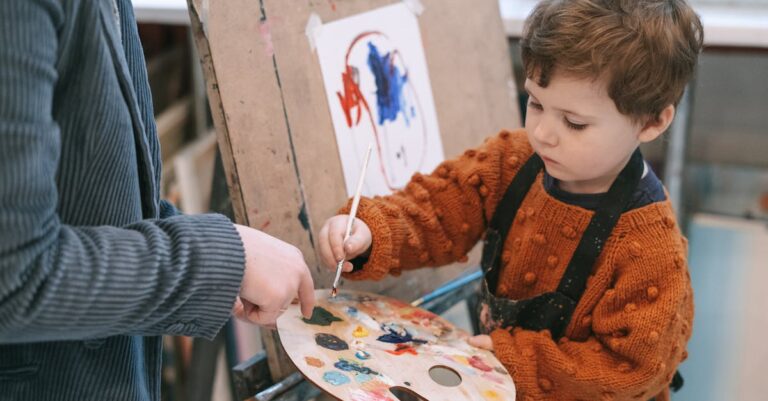
Creative toys foster imagination and innovation among students. Art supplies, building sets, and musical instruments encourage self-expression and artistic exploration. Students can express their identity through creative play, developing confidence and originality. Engaging with creative toys promotes collaboration, as children often work together on projects, learning to share ideas and resources. Additionally, these toys allow for hands-on experimentation, reinforcing problem-solving skills while cultivating a love for creativity. Classes that incorporate creative toys frequently see increased motivation and participation, leading to enriched educational experiences.
Benefits of Classroom Toys
Classroom toys significantly enhance the educational experience for students. They make learning both engaging and enjoyable.
Enhancing Learning Experiences
Interactive toys capture students’ attention and motivate them to explore concepts deeply. Building blocks, for instance, develop spatial awareness while reinforcing math skills through play. So, using puzzles sharpens problem-solving abilities and critical thinking. Meanwhile, art supplies encourage creativity and self-expression, allowing students to connect with their ideas. Studies show that playful learning increases retention of information, making lessons stick. When educators integrate toys into the curriculum, they transform traditional methods into interactive opportunities, supporting diverse learning styles.
Encouraging Social Interaction
Peer engagement thrives through shared toys in the classroom. Collaborative play fosters teamwork and communication, essential skills for personal and academic success. Students learn the value of cooperation while sharing toys, building social connections within the classroom community.
Additionally, interaction with classmates promotes empathy as students navigate group dynamics. As they negotiate roles and share resources, they develop conflict resolution skills. Classroom toys effectively cultivate a supportive environment, where children can practice communication and relationship-building in a safe setting.
Criteria for Choosing Classroom Toys
Selecting the right classroom toys involves several key factors that ensure safety, engagement, and educational benefits. Considering these criteria optimizes the learning experience for students.
Safety Considerations
Safety ranks as a top priority when choosing classroom toys. Toys must meet safety standards to prevent choking hazards or injuries. Non-toxic materials ensure children’s well-being as they explore. Toys with smooth edges and durable constructions minimize risks during play. Regular inspections help identify wear and tear, maintaining a safe environment. Teachers should also consider age recommendations, as specific toys may not be suitable for all student groups. Reliability in safety can substantially impact the overall classroom atmosphere and student trust.
Age Appropriateness
Age appropriateness significantly influences the effectiveness of classroom toys. Toys designed for younger children may not challenge older students, limiting engagement. Educators must evaluate developmental stages to match toys with students’ cognitive and physical abilities. Age-appropriate toys stimulate curiosity and support skill development, which is essential for promoting learning. Incorporating a variety of toys can accommodate different age groups within a class, ensuring each student receives tools suitable for their needs. Teachers play a crucial role in assessing and aligning toy choices with their students’ age ranges to foster an inclusive learning environment.
Conclusion
Classroom toys are more than just playthings; they’re essential tools that transform learning into an engaging experience. By fostering creativity and collaboration, these toys help students develop vital skills while enjoying the process. The right toys not only enhance focus but also reduce anxiety, creating a supportive environment for exploration.
When educators thoughtfully integrate educational, sensory, and creative toys into their lessons, they can optimize student engagement and cater to diverse learning needs. This approach not only promotes academic success but also nurtures essential social skills. Ultimately, incorporating classroom toys enriches the educational journey, making learning a joyful adventure that students will cherish for years to come.